Why Choose a PLC Controller for Your Industrial Automation Needs
In the rapidly evolving landscape of industrial automation, the choice of control systems plays a pivotal role in optimizing processes and enhancing productivity. A key player in this domain is the PLC (Programmable Logic Controller), a versatile and robust solution that has transformed the way industries operate. Renowned expert in automation technology, Dr. Emily Carter, stated, “The PLC Controller is the backbone of modern industrial systems, enabling seamless integration and real-time control.”
As industries face increasing demands for efficiency, flexibility, and reliability, the importance of a PLC Controller becomes even more apparent. These controllers not only simplify complex tasks but also provide scalability to adapt to changing operational requirements. By leveraging the capabilities of PLC Controllers, manufacturers can streamline processes, reduce downtime, and achieve significant cost savings.
Moreover, the proliferation of IoT and smart manufacturing concepts has further underscored the relevance of PLC Controllers in today’s factories. With their ability to facilitate communication between machines and systems, PLC Controllers stand at the forefront of driving innovation in industrial automation. In exploring the various advantages and applications of PLC Controllers, it becomes clear why they are an indispensable component for any organization looking to thrive in the competitive industrial arena.

The Role of PLC Controllers in Modern Industrial Automation Systems
Programmable Logic Controllers (PLCs) play a pivotal role in modern industrial automation systems, acting as the brains of automated processes across various sectors. According to a report by MarketsandMarkets, the PLC market is projected to grow from USD 8.30 billion in 2020 to USD 11.81 billion by 2025, reflecting a compound annual growth rate (CAGR) of 7.4%. This growth underscores the increasing reliance on PLCs to enhance manufacturing efficiency, reduce operational costs, and minimize human error.
In contemporary industrial settings, PLCs facilitate the seamless integration of machine operations and control processes, which is crucial for achieving greater productivity. They enable real-time monitoring and data collection, allowing for quick responses to changes in production requirements. A report by Research and Markets indicates that industries utilizing PLCs experience a reduction in production downtime by approximately 20%, leading to significant cost savings and more efficient resource management. With capabilities such as connectivity to IoT devices, advanced data analytics, and flexibility in programming, PLCs are instrumental in adapting to the evolving demands of modern automation frameworks.
Key Features of PLC Controllers that Enhance Operational Efficiency
Programmable Logic Controllers (PLCs) have become a cornerstone in industrial automation due to their key features that significantly enhance operational efficiency. One of the most notable characteristics of PLCs is their adaptability in various applications. Unlike traditional relay-based systems, PLCs can easily be programmed and reprogrammed to accommodate different tasks. This flexibility reduces downtime during operational changes, ensuring a smooth transition and minimizing disruption to the production process.
Another vital feature of PLC controllers is their robust communication capabilities. Modern PLCs can interface with a diverse array of devices and systems, ranging from sensors and actuators to advanced communication networks. This interoperability allows for real-time data exchange and centralized monitoring, leading to better decision-making and increased responsiveness to changes in the operational environment. As a result, manufacturers can more effectively optimize production processes, enhance safety measures, and ultimately drive profitability.
Additionally, PLCs offer superior reliability and durability under harsh industrial conditions. Designed to withstand extreme temperatures, vibrations, and electrical noise, they ensure continuous operation even in challenging environments. The integration of diagnostic features further supports operational efficiency by enabling operators to quickly identify and troubleshoot issues, thus reducing maintenance time and costs. Overall, these key features make PLC controllers an essential tool for achieving optimal performance in industrial automation.
Why Choose a PLC Controller for Your Industrial Automation Needs - Key Features of PLC Controllers that Enhance Operational Efficiency
| Feature |
Description |
Benefit |
| Modular Design |
Easily configurable for varying applications |
Allows for scalable solutions and lower costs. |
| Real-Time Processing |
Processes inputs and outputs in real time |
Ensures processes run smoothly and reduces downtime. |
| User-Friendly Interface |
Intuitive software for programming and monitoring |
Boosts operator efficiency and reduces training time. |
| Robustness |
Built to withstand harsh environments |
Ensures long life and reliability in industrial settings. |
| Networking Capabilities |
Supports various communication protocols |
Facilitates integration with existing systems. |
| Flexible I/O Options |
Multiple input/output modules available |
Adaptable to specific application requirements. |
| Diagnostics and Troubleshooting |
Built-in monitoring tools for fault detection |
Minimizes downtime and optimizes maintenance efforts. |
Comparative Analysis of PLCs versus Traditional Control Systems
When evaluating control systems for industrial automation, a comparative analysis between Programmable Logic Controllers (PLCs) and traditional control systems highlights numerous advantages of PLCs. Traditional control systems, often based on relays, timers, and other mechanical devices, can be cumbersome and less flexible. They require extensive wiring and manual intervention for modifications, making them slower to adapt to changes in manufacturing processes. In contrast, PLCs offer programmability and scalability, enabling engineers to leverage software-driven solutions that easily accommodate advanced functionalities and complex operations.
Furthermore, PLCs are designed for robustness and reliability in harsh industrial environments. Unlike traditional systems, which may fail due to mechanical wear or environmental factors, PLCs utilize solid-state components that increase durability and reduce maintenance requirements. Their ability to execute real-time control allows for quicker response times and improved process efficiency. Additionally, the graphical user interfaces in PLCs provide intuitive monitoring and troubleshooting tools, empowering operators with greater visibility and control over the automation process. This combination of adaptability, durability, and efficiency positions PLCs as a superior choice for modern industrial automation needs.
Comparative Analysis of PLCs versus Traditional Control Systems
Market Growth and Trends in PLC Adoption for Industry 4.0
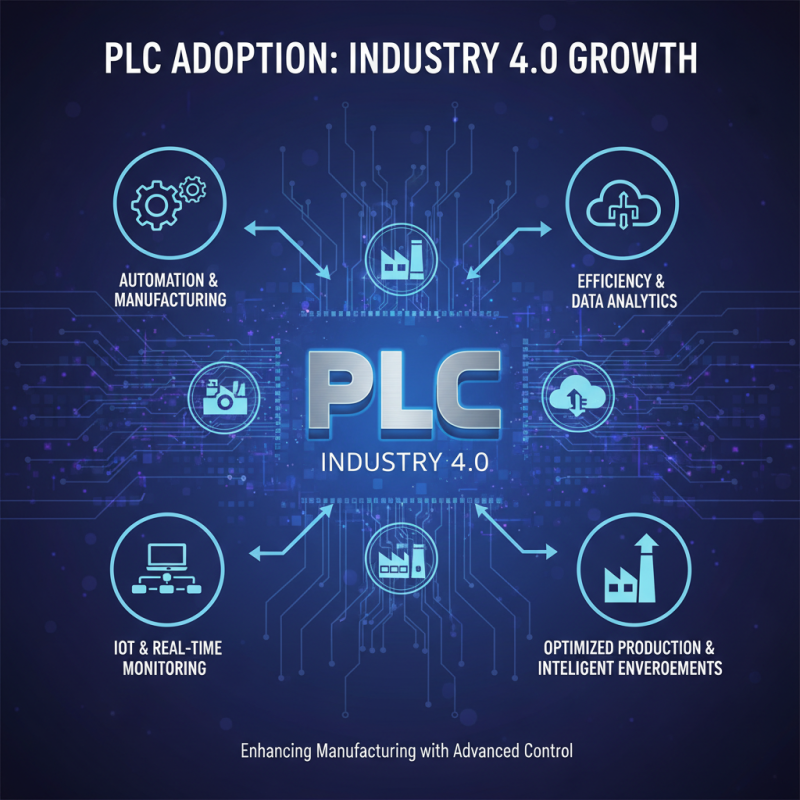
The adoption of PLC (Programmable Logic Controller) systems is experiencing significant growth within the context of Industry 4.0. This technological revolution emphasizes the importance of automation and smart manufacturing, driving industries to integrate advanced control systems that enhance efficiency, flexibility, and data analytics. As companies increasingly embrace the Internet of Things (IoT), the role of PLCs has evolved, enabling real-time monitoring and control across various operational processes. This integration not only optimizes production lines but also facilitates the transition to more intelligent and interconnected manufacturing environments.
Market trends indicate a rising demand for PLC solutions as industries seek to improve their operational resilience and responsiveness. The flexibility of PLCs allows for easier updates and modifications in automated processes, which is crucial for businesses looking to stay competitive. Additionally, the shift towards predictive maintenance and analytics in manufacturing is further bolstering the appeal of PLCs, as they can collect and analyze data from machines and sensors to foresee and prevent equipment failures. As industries continue to navigate the complexities of digital transformation, PLC controllers are positioned as essential components in the drive towards more automated, efficient, and agile operations.
Case Studies of Successful PLC Implementations in Various Industries
In recent years, many industries have turned to Programmable Logic Controllers (PLCs) to enhance their automation processes, leading to remarkable improvements in efficiency and reliability. For instance, in the automotive sector, a major manufacturer successfully implemented a PLC system to streamline their assembly line. By integrating sensors and actuators through PLCs, they were able to reduce downtime by 30% and improve the speed of production, all while maintaining high quality standards. This case exemplifies how PLCs can be vital in overcoming complex manufacturing challenges.
Another successful application of PLCs can be seen in the food and beverage industry. A processing plant adopted a PLC solution to monitor the mixing, heating, and packaging processes. By automating these stages with PLCs, the plant not only enhanced product consistency but also achieved significant labor cost savings. Furthermore, the flexibility of PLCs allowed them to quickly adapt their production line to accommodate seasonal product variations, showcasing how PLCs can drive operational agility.
Tips for implementing PLCs include ensuring proper training for staff to maximize system utilization and regularly maintaining the hardware to prevent downtime. Additionally, when selecting a PLC system, consider starting with a scalable solution that can grow with your needs. This approach can provide a more economical and practical pathway for future expansions, ensuring your investment pays off as your automation demands evolve.