How to Choose the Right Industrial PLC for Your Needs?
Choosing the right Industrial PLC is crucial for any manufacturing operation. A well-chosen PLC can enhance efficiency, reduce downtime, and improve overall productivity. According to a recent report by MarketsandMarkets, the global Industrial PLC market is projected to reach $18.3 billion by 2026. This growth underscores the importance of selecting the right technology for your specific needs.
Expert insights play a vital role in this decision-making process. John Smith, a recognized authority in industrial automation, emphasizes, “The right PLC not only streamlines processes but also adapts to your future needs.” His expertise highlights the challenge of aligning technology with evolving industry demands.
Many organizations struggle with this choice. They often overlook compatibility with existing systems and scalability. While some PLCs offer advanced features, they may not suit all applications. Therefore, understanding your operational requirements is essential. Proper research can illuminate which Industrial PLC will best meet your business goals.

Understanding the Basics of Industrial PLCs and Their Applications
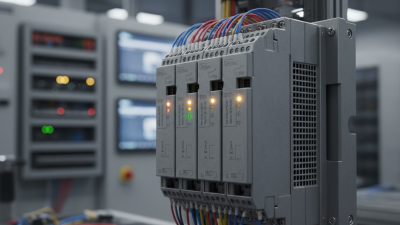
Industrial Programmable Logic Controllers (PLCs) play a vital role in various automation systems. Understanding their basics is essential for effective application. A PLC processes input signals from sensors and executes control commands. This technology simplifies complex tasks in manufacturing and processing environments.
When selecting a PLC, consider the specific needs of your application. Factors like input/output capacity, processing speed, and communication protocols are crucial. Some PLCs may offer advanced features, while others focus on simplicity. It’s important to match these features with your operational requirements. Evaluate the scalability of the PLC for future needs. A system that is limited may hinder growth and efficiency.
PLCs are adaptable for diverse industries. They can manage process control in food manufacturing or automate assembly lines in automotive production. However, the wrong choice can result in inefficiencies. Reflect on your existing infrastructure and ensure compatibility.
Effective training for staff is also necessary. Often, companies underestimate this aspect, which can lead to unnecessary complications.
Key Considerations When Selecting an Industrial PLC: Functions and Features
Selecting the right industrial PLC (Programmable Logic Controller) involves careful consideration of various functions and features that align with specific operational needs. Factors like processing speed, memory capacity, and I/O configuration significantly influence performance. According to a report by Market Research Future, the global industrial automation market is projected to reach $289.25 billion by 2027, reflecting the growing importance of reliable PLC solutions in improving operational efficiency.
Functionality should be prioritized. Understanding whether you need basic control or advanced features like data logging and remote monitoring is crucial. Compatibility with existing machinery is another aspect. Data from the International Society of Automation indicates that over 70% of manufacturing facilities report challenges integrating new PLCs with legacy systems. This highlights the need for careful compatibility assessments.
Another vital consideration is the support and updates available for the PLC. A robust support infrastructure ensures that businesses can quickly address any issues that arise. However, relying solely on vendor support can be problematic. Certain installations may require more ongoing maintenance than anticipated. As industry demands evolve, continuous evaluation and adaptation of your PLC system become necessary to avoid obsolescence.
Evaluating Performance Metrics: Speed, Memory, and I/O Capabilities
When selecting an industrial PLC, evaluating performance metrics is crucial. Speed often determines how quickly a PLC processes inputs and executes instructions. A faster PLC can significantly enhance production efficiency, particularly in applications requiring real-time data processing. For instance, if manufacturing involves rapid changes or multiple sensors, the speed of the PLC becomes a key factor.
Memory capacity also plays a vital role in PLC performance. Adequate memory is essential for storing programs and handling data. Insufficient memory can lead to bottlenecks, slowing down operations. It's important to consider future needs as well. A growing manufacturing process may demand additional memory for expanded functionality or complex automation tasks.
Input/Output (I/O) capabilities are equally critical. The number and type of I/O points determine how many devices the PLC can control. More I/O points allow for greater flexibility in automation processes. However, it's essential to reflect on the actual needs of your application. Over-specifying I/O capabilities can lead to unnecessary costs. Balancing these performance metrics can be challenging, yet it's essential to align them with your operational goals.
Integration and Compatibility: Ensuring PLC Works with Existing Systems
When selecting an industrial PLC, integration and compatibility play crucial roles. Many systems have legacy equipment. Ensuring the PLC can communicate seamlessly with these devices is vital. Check the protocols supported by the PLC. Different devices may use MODBUS, Ethernet/IP, or other communication standards. A mismatch here can lead to costly downtime and errors.
Consider the existing software in your environment. Your PLC must integrate with current monitoring and control systems. Custom interfaces can be expensive and time-consuming to develop. It's essential to evaluate software compatibility when making your choice. Often, operators overlook this step, only to discover integration challenges later. Compatibility ensures smoother operations and reduces long-term maintenance issues.
Think about the future too. As technology evolves, your needs may shift. Choosing a PLC with flexible and scalable options will help adapt to these changes. Look for models that offer firmware updates. They can improve performance over time. Remember, not all PLCs are designed the same way. Make sure to weigh your choices carefully to avoid potential pitfalls.
Cost vs. Benefit Analysis: Budgeting for Your Industrial PLC Investment
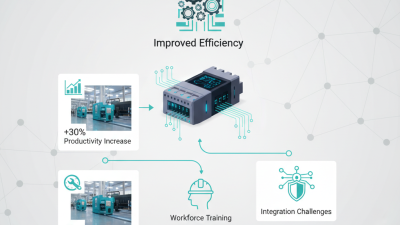
When considering an industrial PLC investment, the cost versus benefit analysis is crucial. According to industry reports, companies can achieve up to a 30% increase in productivity by integrating advanced PLC systems. However, upfront costs can be significant. Budgeting involves evaluating long-term savings through automation and improved efficiency.
A key tip is to assess the total cost of ownership (TCO). Look beyond initial expenses, considering maintenance, software updates, and potential training needs. Reports suggest that operational costs can be reduced by 15% with the right PLC setup. It's essential to account for hidden costs, which can quickly add up.
Another important insight is the payback period. Many businesses see ROI within two to three years once a PLC is fully operational. Evaluate the specific needs of your facility. Not all systems fit every application. Investing time in research can lead to better decisions. Remember, a well-chosen PLC can transform operations, but poor choices can lead to unnecessary costs and operational setbacks.
How to Choose the Right Industrial PLC for Your Needs? - Cost vs. Benefit Analysis: Budgeting for Your Industrial PLC Investment
| PLC Model |
Initial Cost ($) |
Installation Cost ($) |
Annual Maintenance Cost ($) |
Expected Lifespan (Years) |
Estimated ROI (%) |
| Model A |
5000 |
1500 |
300 |
10 |
25 |
| Model B |
7500 |
2000 |
500 |
12 |
30 |
| Model C |
10000 |
2500 |
700 |
15 |
35 |
| Model D |
12500 |
3000 |
600 |
20 |
40 |