Why are Automation Systems Essential for Modern Businesses?
In today's fast-paced business environment, Automation Systems have become indispensable. Many companies rely on these systems to enhance efficiency and productivity. By automating routine tasks, businesses can focus on strategic goals. For instance, customer service chatbots handle inquiries effectively, freeing human agents for complex issues.
However, not all implementations are flawless. Some organizations struggle with integrating Automation Systems into their existing workflows. This can lead to frustration among employees and customers alike. It's crucial to examine how these systems fit into overall operations.
Moreover, while Automation Systems boost productivity, they can create dependency. Relying too heavily on automation may stifle creativity. Businesses must find a balance between automation and human touch. This reflection is essential for long-term success in a competitive landscape. The journey of integrating Automation Systems is complex but rewarding.

Key Components of Automation Systems in Business Operations
Automation systems have become a cornerstone of modern business operations. They streamline processes, improve efficiency, and reduce errors. Key components include robotics, artificial intelligence, and data analytics. For instance, a report by McKinsey indicates that automation can enhance productivity by up to 30%. This is a significant boost in a constantly evolving market.
Tip: Assess your current processes. Identify areas where automation could save time and resources. Often, the simplest tasks can provide the most considerable benefits when automated.
Data integration is another vital element. Seamless data flow allows teams to access real-time information. According to a study from Deloitte, companies with integrated data systems are 25% more likely to succeed in their automation initiatives. However, implementing these systems can be challenging. Businesses must ensure they have the right technology and training.
Tip: Don’t rush the implementation. Take time to evaluate your team’s readiness. Continuous feedback is essential for improving both systems and staff performance.
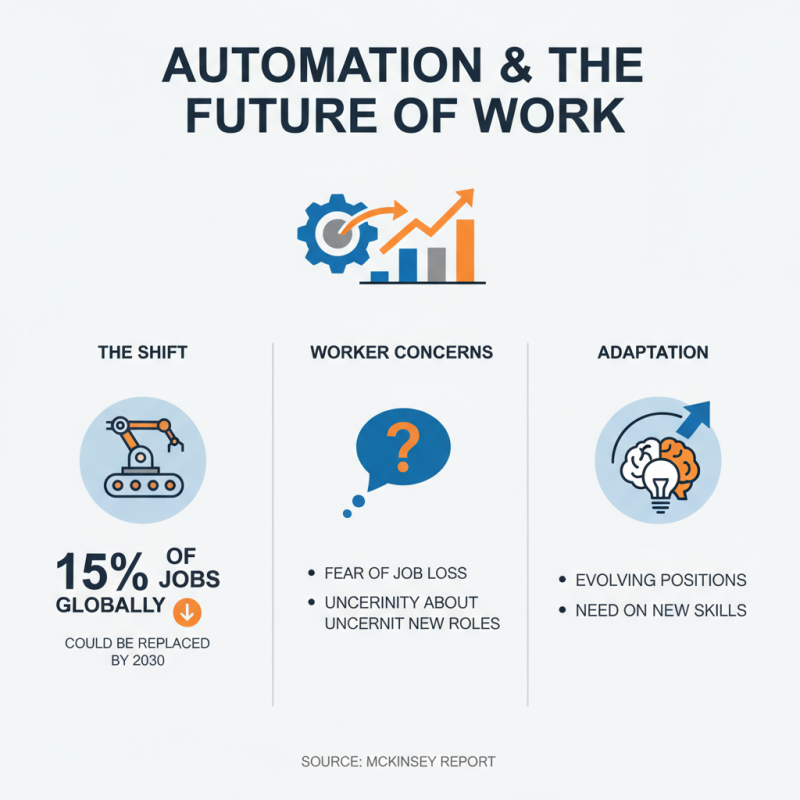
Despite the advantages, some remain hesitant. Concerns about job displacement and technology reliability persist. Regularly review your automation strategies to address these worries and ensure alignment with company goals.
Benefits of Implementing Automation Systems in Modern Businesses
Automation systems are transforming modern businesses. According to a recent report by McKinsey, organizations that adopt automation can boost productivity by up to 30%. This significant leap is not just a trend; it reflects a shift in how businesses operate. Tasks that once took hours can now be completed in minutes, allowing teams to focus on strategic initiatives.
Implementing automation also brings cost savings. A study from Deloitte highlights that companies utilizing automation can reduce their operational costs by approximately 20-25%. This allows for resource allocation in other critical areas. However, the transition is not always smooth. Many companies face challenges in integrating these systems due to outdated processes or employee resistance. Training becomes essential to ensure a seamless shift.
Moreover, automation can enhance accuracy and reduce human error. The World Economic Forum reports that automation can improve accuracy rates by as much as 80%. Yet, businesses must remain cautious. Over-automation can lead to a lack of personal touch in customer service. Balancing efficiency with human interaction is crucial for long-term success.
Challenges and Considerations in Adopting Automation Technology
Adopting automation technology brings both benefits and challenges. Many businesses struggle with the decision to invest in automation. High initial costs can deter organizations. Companies must evaluate their current processes before making any commitments. It's crucial to understand which tasks will benefit the most from automation.
Resistance from employees can also pose a challenge. Workers may fear job loss or changes in their responsibilities. Training is essential to ease these concerns and promote a positive transition. Engagement from team members can help in successfully integrating new systems. Moreover, companies should not overlook the need for ongoing support and maintenance for automated systems.
Data security is another consideration. Implementing automation can expose businesses to cyber threats. It is vital to protect sensitive information while streamlining operations. Companies must be aware of potential vulnerabilities when adopting new technologies. Balancing efficiency and security requires careful planning. Organizations should assess risks and develop strategies accordingly.
Future Trends in Automation for Business Efficiency and Growth
In the fast-paced world of modern business, automation systems have become a driving force for efficiency and growth. Companies leverage these systems to streamline operations and reduce manual work. Beyond simple tasks, automation allows businesses to analyze data in real-time. This capability helps identify market trends faster than ever.
As we look to the future, the integration of artificial intelligence and machine learning is expected to grow. Automation will evolve, becoming more sophisticated and intuitive. Imagine systems that not only perform tasks but also predict outcomes. However, there are challenges. Not every business can adapt quickly. There are technical barriers and employee resistance that must be addressed. Each company’s capacity to scale automation is unique.
Moreover, many organizations overlook the need for continuous improvement. Automation systems require regular updates and employee training. Without these, companies risk falling behind. Balancing technology and human touch remains critical. In the quest for efficiency, it’s vital to ask: Are we enabling our teams enough? The journey of automation is ongoing, and reflection is key.
Why are Automation Systems Essential for Modern Businesses? - Future Trends in Automation for Business Efficiency and Growth
| Aspect |
Current Impact (%) |
Projected Growth Rate (Next 5 Years) |
Key Benefits |
| Operational Efficiency |
75% |
20% |
Reduced Costs, Increased Throughput |
| Customer Satisfaction |
68% |
15% |
Faster Response Times, Improved Service Quality |
| Data Accuracy |
80% |
25% |
Minimized Errors, Enhanced Analytics |
| Employee Productivity |
70% |
18% |
Focus on Strategic Tasks, Skill Development |
| Market Competitiveness |
65% |
22% |
Innovation, Faster Time to Market |