How to Leverage Manufacturing Automation at China Import Export Fair?
The China Import Export Fair, known as Canton Fair, is a pivotal event for industries worldwide. It showcases the latest trends in manufacturing, including Manufacturing Automation. This year, from April 15 to May 5, 2026, the fair emphasizes advanced manufacturing technologies and intelligent solutions.
The introduction of AI-driven features transforms attendee experiences. Visitors can now quickly find suppliers with specific qualifications. AI assists in path planning, enhancing efficiency in the vast 1.55 million square meters of exhibition space. Yet, challenges remain. Many exhibitors may not fully grasp how to integrate such technologies into their operations.
Manufacturing Automation holds potential for improving productivity, but not all companies are ready to adopt these innovations. Reflecting on this disparity is essential. The fair serves as a platform for learning and collaboration, pushing industries toward modernization. Balancing automation with human skills continues to be a complicated issue, making this year's fair a crucial turning point.
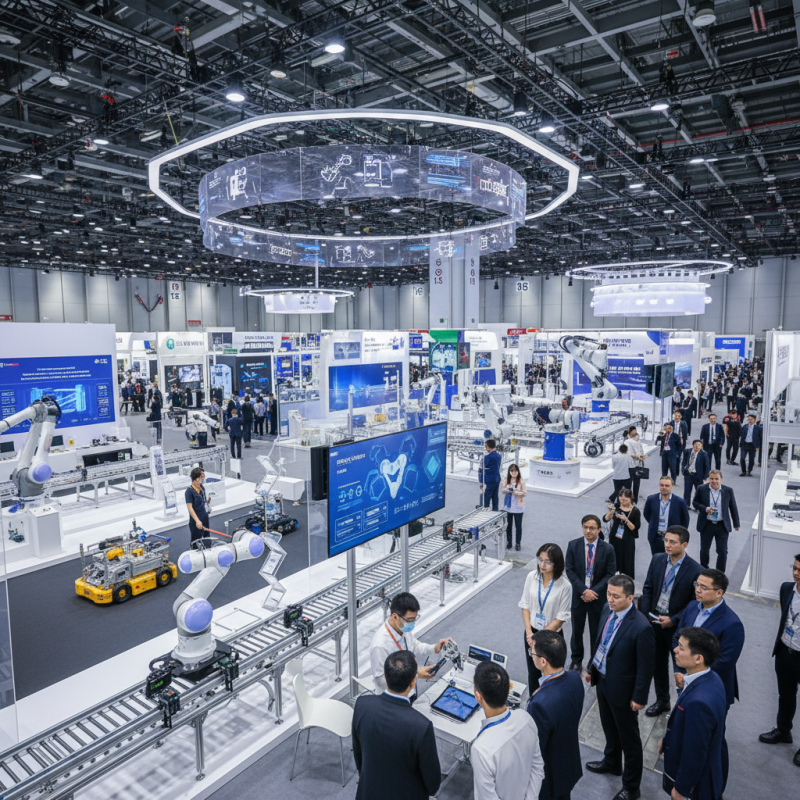
Understanding Manufacturing Automation in Global Trade Context
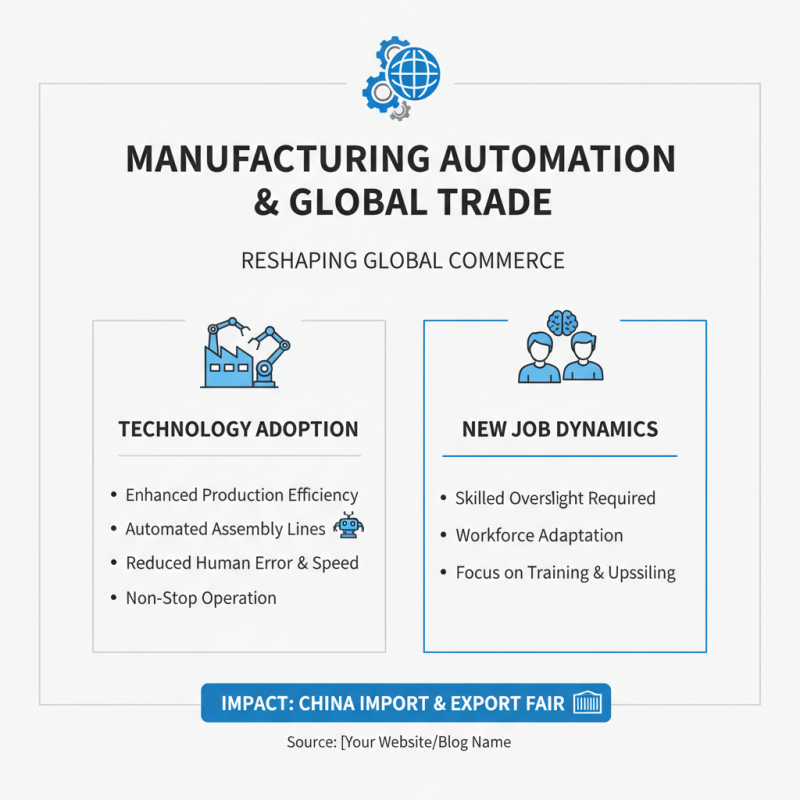
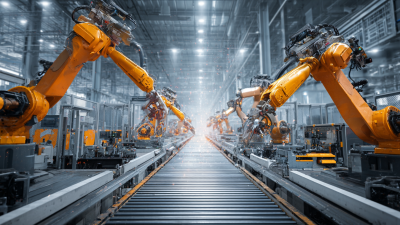
Manufacturing automation is reshaping global trade, particularly in events like the China Import Export Fair. Businesses are adopting advanced technologies to enhance production efficiency. Automatic assembly lines are one such example. They reduce human error and speed up processes. Robots can work non-stop, but they also require skilled oversight. This creates a new job dynamic, prompting discussions on workforce adaptation.
The challenge lies in integrating automation seamlessly into traditional methods. Some companies face resistance from employees. Training programs are essential, yet they can be costly and time-consuming. Automation can lead to initial setbacks, such as software issues or mechanical failures. These hurdles require proactive problem-solving and flexibility. Embracing automation is not just about technology; it demands a cultural shift within organizations.
In the context of global trade, automated manufacturing can enhance competitiveness. Companies that leverage these systems can respond quicker to market demands. However, it’s crucial to strike a balance. Rushing into automation can result in significant setbacks. Businesses need to reflect on long-term implications. Sustainability and social responsibility should guide their automation strategies.
Key Technologies in Manufacturing Automation for Exporters
Manufacturing automation is crucial for exporters at events like the China Import Export Fair.
Key technologies revolutionizing this sector include robotics,
artificial intelligence (AI), and the
Internet of Things (IoT). Data shows that by 2025, up to
75% of manufacturing tasks could be automated. This shift presents both
opportunities and challenges for exporters aiming to improve efficiency and reduce costs.
Robots streamline production lines, enhancing speed and precision. A study reported that companies using automation see productivity gains of up to 30%. However, not all businesses are ready. Implementing these technologies often requires substantial investment and skilled labor. Many smaller exporters find it hard to adapt. While automation can accelerate workflows, the initial costs and training can be a barrier.
AI plays a pivotal role too. It can predict demand, optimize supply chains, and reduce waste.
Research indicates that firms using AI in manufacturing are 25% more profitable. Yet, reliance on technology can lead to vulnerabilities.
Technical issues or cyber threats can disrupt processes. Exporters must weigh these risks against the benefits of automation.
Adopting a balanced approach is essential for long-term success.
Case Studies: Successful Automation at the China Import Export Fair
At the China Import Export Fair, automation showcases its potential through practical applications. Companies have successfully integrated machinery to enhance productivity. For instance, one exhibit used robotic arms to streamline packaging. This reduced human labor but raised questions about job security. Balancing automation and workforce needs remains a challenge for many.
Tips for success include investing in training for employees. Skilled workers can manage automation tools effectively. Additionally, consider data analytics to optimize operations. Analyze performance regularly to identify areas for improvement. This approach helps you understand if automation meets your goals.
Many exhibitors also faced technical hurdles. Not all automation systems functioned smoothly at first. Some setups required additional adjustments during the fair. Learning from these experiences is crucial. It allows businesses to refine their strategies. Adapting to unexpected issues can lead to more robust solutions in future events.
Manufacturing Automation Benefits at China Import Export Fair
Impact of Automation on Cost Reduction and Efficiency Metrics
Manufacturing automation plays a crucial role at the
China Import Export Fair. It significantly impacts
cost reduction and
efficiency metrics. Implementing automated
systems can streamline production processes. This leads to fewer manual errors and faster turnaround times.
As companies seek to improve their competitiveness, automation becomes essential.
Tips for leveraging automation:
Evaluate your current processes. Identify tasks that consume time and resources.
Automate repetitive tasks to boost productivity. Regularly assess your automation tools.
Are they meeting your expected metrics? Monitor performance to spot areas needing improvement.
Automation does come with challenges. Initial investments can be high.
Training staff is necessary to manage new technologies. Some workers may resist change.
Engage your team in the transition. Their input can enhance the process.
Encouraging a culture of innovation will make the shift smoother.
Future Trends: Manufacturing Automation's Role in International Trade
The landscape of international trade is rapidly evolving. Manufacturing automation is playing a critical role in this transformation. The rise of smart factories is changing how goods are produced and delivered. Robotics and AI streamline processes, reduce human error, and increase efficiency. However, the transition to automation isn’t seamless. Many manufacturers face challenges, such as initial costs and employee training.
As companies adopt new technologies, the importance of adaptability cannot be overstated. Firms can no longer afford to lag behind. Real-time data analytics can optimize supply chains, making them more responsive. Yet, some still cling to outdated methods. This resistance can hinder growth. Additionally, while automation boosts productivity, it raises questions about workforce displacement. The balance between efficiency and employment must be carefully navigated.
At events like the China Import Export Fair, these issues become apparent. Networking opportunities allow stakeholders to share insights and best practices. Collaboration is key to overcoming obstacles. Embracing automation should not mean ignoring the human element. Companies must invest in their workforce while innovating. Only then can they truly leverage the potential of manufacturing automation in global trade.
How to Leverage Manufacturing Automation at China Import Export Fair? - Future Trends: Manufacturing Automation's Role in International Trade
| Dimension |
Description |
Impact on Trade |
Future Trends |
| Robotic Automation |
Use of robots in manufacturing processes to increase efficiency. |
Improves production speed and accuracy, reducing costs. |
Increase in demand for robotics in various sectors. |
| IoT Integration |
Internet of Things (IoT) connecting machines for data exchange. |
Enhances decision-making through real-time data. |
Growth in smart factories leveraging IoT technologies. |
| Artificial Intelligence |
AI systems aiding in predictive maintenance and production planning. |
Reduces downtime and increases operational efficiency. |
AI will play a crucial role in enhancing supply chain management. |
| Supply Chain Automation |
Automation of supply chain processes from order to delivery. |
Streamlines operations and reduces lead times. |
Will increase efficiencies and responsiveness in trade. |
| 3D Printing |
Additive manufacturing for custom and rapid prototyping. |
Enables local production and reduces shipping costs. |
Expected rise in localized manufacturing trends. |