2026 How to Optimize Control Systems for Improved Efficiency?
Control Systems play a crucial role in modern industries. Their design and operation directly affect energy consumption and productivity. In 2026, optimizing these systems is more important than ever. With rising energy costs and environmental concerns, efficiency is a top priority.
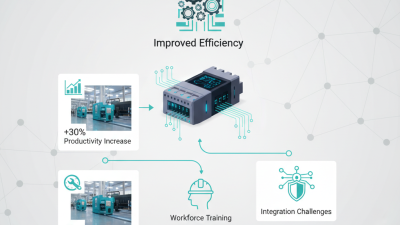
Many organizations are exploring new strategies to refine their Control Systems. However, this is not a simple task. Factors like technology integration and workforce training require careful consideration. Additionally, some companies may overlook the need for ongoing updates. This can lead to missed opportunities for improvement.
Addressing inefficiencies in Control Systems demands a comprehensive approach. Businesses must assess their current processes regularly. Reflection on past mistakes can provide valuable insights. By prioritizing efficiency, companies can enhance their overall performance. Ultimately, the goal is to create Control Systems that are both effective and sustainable.

Definition and Importance of Control Systems in Efficiency Optimization
Control systems play a crucial role in optimizing efficiency across various industries. These systems automate processes, enabling precise monitoring and control of operations. For instance, in manufacturing, a well-designed control system can reduce waste. It minimizes errors and enhances production quality. Efficient control systems adjust inputs based on real-time data. Thus, they ensure resources are used optimally.
The importance of control systems extends beyond just cost savings. They improve equipment longevity and reduce downtime. A factory with an effective control system is less likely to face unexpected failures. However, not every control system is perfect. Some systems may require frequent tuning, consuming additional time and resources. Continual assessment is necessary to identify weaknesses and areas for improvement.
Understanding how control systems interact with their environments is vital. External conditions can significantly affect their performance. Complex systems might fail to adapt quickly to changes. Hence, input from experienced operators is invaluable. Their insights can bridge the gap between theory and practice. This collaborative approach leads to enhanced efficiency and innovation.
2026 Efficiency Optimization in Control Systems
This chart illustrates various performance metrics of control systems essential for optimizing efficiency. It highlights areas such as Energy Consumption, Response Time, Stability, Throughput, and Cost Reduction, showcasing their performance levels measured in percentage.
Key Components of Control Systems that Influence Efficiency
Control systems are critical for enhancing operational efficiency in various industries. Several key components play a vital role in this optimization process. First, sensors are essential. They collect real-time data, allowing systems to make informed decisions. In fact, data shows that accurate sensors can reduce operational costs by up to 30%. However, the effectiveness of these sensors often depends on their placement and calibration. Poor integration can lead to significant data discrepancies.
Another important aspect is the control algorithms used. These algorithms determine how a system responds to inputs. Advanced algorithms can predict system behavior, enhancing responsiveness. A study found that using predictive algorithms improved efficiency by 15% in manufacturing settings. Yet, there are challenges. Not all algorithms are suited for every system, and overfitting can occur, leading to inefficiencies. Identifying the right algorithm requires careful analysis and sometimes trial and error.
Lastly, the user interface cannot be overlooked. A well-designed interface ensures that human operators can effectively interact with the system. Research indicates that intuitive interfaces can reduce training time by up to 40%. Nevertheless, overly complex systems can frustrate users, resulting in decreased productivity. Continuous feedback from operators can guide interface improvements, ensuring that control systems remain user-friendly while maximizing efficiency.
Techniques for Analyzing and Measuring Control System Performance
Analyzing and measuring control system performance is essential for optimization. A robust analysis can uncover inefficiencies that may not be immediately apparent. Various metrics can be employed, such as system response time and error rates. Monitoring these factors regularly helps in identifying areas for improvement.
One effective method is to use data logging to capture system performance over time. This practice allows for detailed assessments and helps spot trends. Visual tools, like graphs of system behavior, can simplify complex data. Understanding these patterns can inform adjustments to control algorithms.
Additionally, applying simulations can provide insights into potential improvements. However, this approach can involve uncertainties. Simulation results may not always reflect real-world conditions. This limitation highlights the need for ongoing evaluation and adjustment in control strategies. Embracing trial and error can lead to better performance.
Strategies for Implementing Improvements in Control System Design
Optimizing control systems is essential for enhanced operational efficiency. Strategic improvements in control system design contribute significantly to productivity advancements. One effective approach is to incorporate real-time data analytics. This can enable systems to adapt and respond to changes promptly. Making data-driven decisions boosts accuracy and reduces operational lags.
Tips for implementation: Start small. Try integrating analytics in less critical areas first. Monitor the outcomes. This helps in understanding the system's response before a full-scale rollout. Engaging with team members during the process fosters collaboration. Their insights can lead to valuable enhancements.
Testing system components frequently is another key strategy. Regular assessments reveal vulnerabilities in the control system. Timely identification of these issues allows for proactive management. It’s important to refine control algorithms regularly. Reflect on past decisions to ensure continuous improvement. Iteration is vital; perfection may not come easily, but every tweak can lead to greater efficiency.
Future Trends in Control Systems for Enhanced Operational Efficiency
The future of control systems lies in enhancing operational efficiency through innovative practices. Industries are increasingly looking toward intelligent automation systems that can adapt to real-time data. This shift allows for quick adjustments and optimized performance. A focus on predictive analytics is becoming pivotal. By analyzing data trends, companies can anticipate issues and streamline processes proactively.
Tips for succeeding in this transition include integrating machine learning. This technology can help systems learn from past operations, improving decision-making over time. Additionally, investing in user-friendly interfaces is essential. Employees should be comfortable interacting with control systems, as this increases overall efficiency.
Another trend is the emphasis on energy-efficient designs. These systems reduce energy consumption without sacrificing performance. Engaging employees in the process allows for unique insights. However, not all implementations succeed, indicating room for growth in understanding user needs. Reflecting on past mistakes can lead to better strategies moving forward, ensuring continuous improvement in operational efficiency.