Top Tips for Buying Automation Parts Efficiently
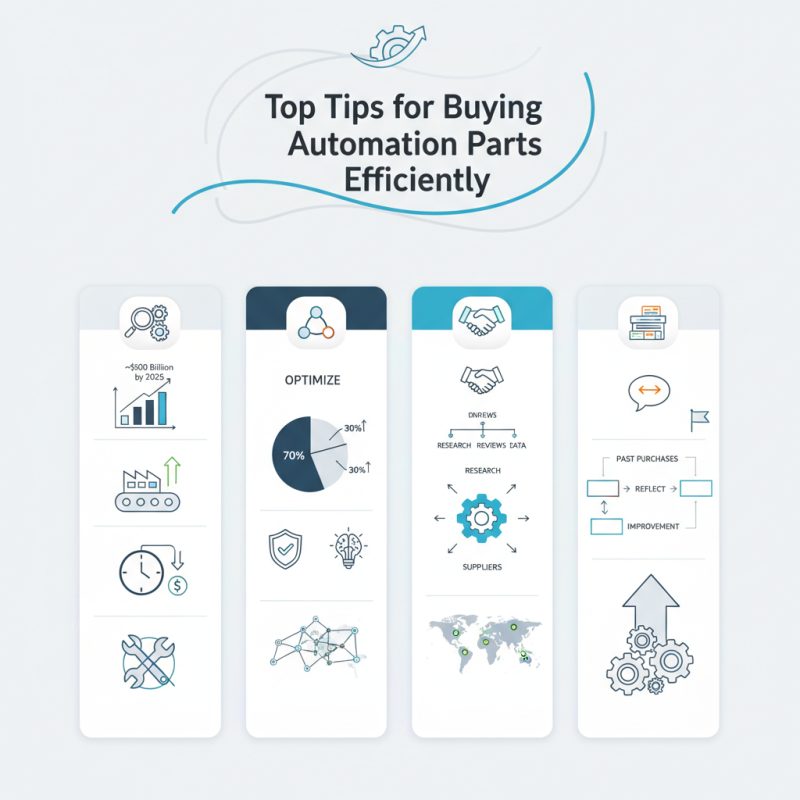
The automation industry continues to evolve rapidly, with global market values projected to reach $500 billion by 2025. Automation parts play a crucial role in optimizing manufacturing processes. Companies face challenges in sourcing these components efficiently. Misjudgments in selection can lead to project delays and increased costs.
Suppliers for automation parts often vary in quality and pricing. According to a recent report, around 30% of businesses overspend on components due to lack of research. This emphasizes the importance of informed purchasing decisions.
Being precise and knowledgeable is key. Seek suppliers with a proven track record. Use industry reviews and data to guide your choices. The proliferation of automation has made reliable parts essential for success. Reflect on your past purchases and consider areas for improvement.
Identifying the Right Automation Parts for Your Needs
When identifying the right automation parts, start by understanding your specific requirements. Analyze the machinery or system you are working with. Consider the application and environment where these parts will function. This ensures that you choose components that can withstand different conditions. For example, some environments may require parts that are resistant to humidity or temperature changes.
Researching various specifications is crucial. Look into voltages, material types, and sizes that align with your needs. It’s easy to overlook small details, but a mismatch can lead to inefficient performance. Many users have realized too late that they chose the wrong compatibility, causing delays and additional costs. Don’t shy away from seeking expert advice if you're unsure. Engaging with industry professionals can provide insights that books or online forums may lack.
Staying organized during the buying process also matters. Create a checklist of essential parts to avoid impulsive purchases. Remember that overspending does not always equate to quality. Be wary of attractive deals that seem too good to be true. Even experienced buyers sometimes fall for these traps. Always do your due diligence. Trust your instincts, but also reflect on prior experiences to make informed decisions.
Researching Reliable Suppliers and Manufacturers
When researching reliable suppliers and manufacturers for automation parts, start by identifying specific needs. Focus on the type of automation you require. Different suppliers cater to various specialties. Online directories can serve as valuable resources. However, not all listings guarantee quality.
Look for suppliers who provide detailed product information. Transparency is crucial in choosing a reliable partner. Check if they offer certifications or quality control documentation. Engaging with their customer service can reveal their responsiveness. Feel free to ask questions about their products.
Reviews can be enlightening. Seek out testimonials from previous clients. A supplier’s reputation often speaks volumes. Consider contacting other businesses in your network for recommendations. Beware of recent startups lacking a proven track record. Taking time to verify suppliers can save money in the long run.
Top Tips for Buying Automation Parts Efficiently
This chart illustrates the average delivery times of various suppliers in the automation parts industry. Efficiently researching suppliers can greatly impact your purchasing decisions, as timely delivery is crucial in automation projects.
Evaluating Quality and Compatibility of Parts
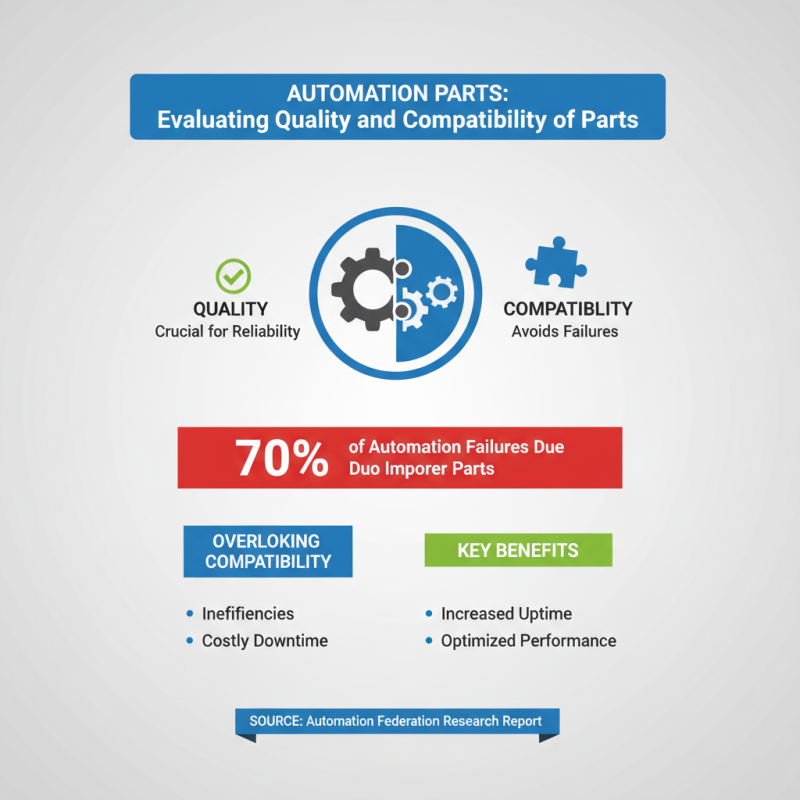
When purchasing automation parts, evaluating their quality and compatibility is crucial. A research report by the Automation Federation shows 70% of automation failures are due to improper parts. Users often overlook compatibility, leading to inefficiencies and costly downtime.
To ensure you're choosing the right parts, start by checking specifications. These include electrical ratings, material compatibility, and dimension accuracy. Use industry standards as a benchmark. When unsure, consult with knowledgeable professionals. They often provide insights based on their experience that can save you time and money.
Inspect product reviews and ratings. These provide real-world performance feedback. A report from Manufacturers' Monthly highlights that user reviews can predict product reliability with 85% accuracy. Engage with online forums or communities. They can offer personal recommendations and firsthand experiences that help in making informed decisions. Seeking advice is valuable, but be aware of potential biases in reviews.
Understanding Pricing and Cost Considerations
When purchasing automation parts, understanding pricing and cost considerations is vital. According to a report by Grand View Research, the global industrial automation market is expected to reach $300 billion by 2026. This growth affects pricing trends directly. Prices can fluctuate based on demand, technology levels, and supply chain factors. Awareness of these dynamics can lead to better purchasing decisions.
Cost should not be the only concern. Quality is key. A study by McKinsey shows that companies that invest in high-quality parts often see a 20% increase in efficiency. Cheaper parts might save money upfront but often lead to higher long-term costs due to maintenance and downtime. This trade-off is critical to consider.
Furthermore, engaging with multiple suppliers can provide insights into price benchmarking. It’s common for businesses to rely on a single source, but this may limit options. Companies that compare prices report savings of up to 15%. Understanding not just the price, but the overall value can enhance budgeting. Lack of awareness regarding these aspects often leads to poor decisions, emphasizing the need for informed purchasing strategies in automation.
Top Tips for Buying Automation Parts Efficiently - Understanding Pricing and Cost Considerations
| Part Type |
Average Price ($) |
Quality Rating (1-5) |
Typical Lead Time (Days) |
Supplier Reliability (%) |
| Servo Motor |
120.00 |
4.5 |
7 |
95 |
| PLC Unit |
300.00 |
4.0 |
14 |
90 |
| Industrial Sensor |
75.00 |
4.1 |
10 |
88 |
| Conveyor Belt |
150.00 |
4.3 |
21 |
92 |
| Power Supply |
80.00 |
4.2 |
5 |
93 |
Ensuring Support and Warranty Options Before Purchase
When you consider buying automation parts, warranty and support options are essential. They provide protection against defects and failures. Always verify that the parts come with a robust warranty. Short-term warranties can leave you exposed to significant risks. Aim for vendors offering at least one year of coverage.
Before making a purchase, ask specific questions. What do the support options entail? Is there 24/7 assistance? Understanding these aspects helps gauge reliability. Some vendors may promise support but fail to deliver, leading to frustration. Research user reviews to confirm their track record.
Think about the manufacturer's reputation. Are they known for quality and service? Look for feedback from those who have experience with similar products. Consider reaching out to the vendor for clarification. If they seem hesitant to answer your questions, trust your instincts. Investing time in this research can save you from future headaches.